You choose your implants and the teeth attached to them separately. Names like All-on-4 or All-on-X describe how the implants hold up a fixed row of teeth.
Those names say nothing about what the bridge is made of, and that bridge is what you see, bite with, and clean every day of your full-arch restoration.
Zirconia and acrylic full-arch restorations each have advantages depending on your bite, oral health, maintenance preferences, and treatment goals.
Zirconia is known for strength and stain resistance, while acrylic restorations may offer easier repairability when wear or damage occurs.
Your dentist can evaluate these factors before recommending a final restoration material.
When comparing zirconia arches vs acrylic teeth, durability is only one part of the decision.
At West Madison Dental, patients can consider factors such as bite forces, repairability, appearance, maintenance, and treatment goals before choosing a full-arch restoration.
Key Takeaways
- Your bridge material is a separate decision from your implants.
- Zirconia resists wear and stains, while acrylic is easier and cheaper to fix.
- Your bite, available space, and budget should guide the choice more than marketing labels.
What Is the Difference Between the Two Bridges?
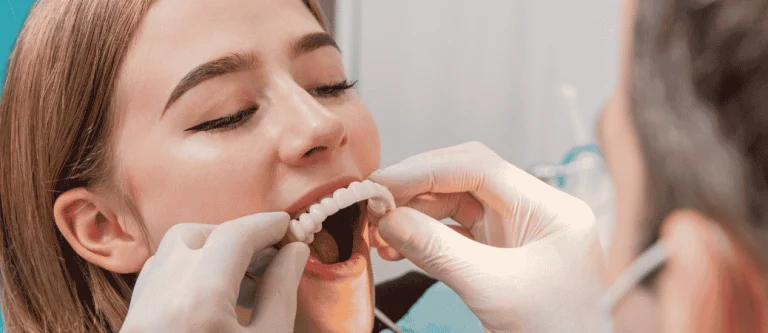
An acrylic bridge is plastic teeth built around a metal bar, and a zirconia bridge is milled mostly from a single block of hard ceramic.
Both screw onto your implants, and you can’t remove either one yourself. They differ in how they’re built, how they wear, and how a lab fixes them.
How Is a Titanium-Acrylic Hybrid Made?
A hybrid starts with a precision titanium bar that connects your implants. The lab wraps that bar in pink acrylic gum material and sets acrylic teeth on top.
The acrylic itself is polymethyl methacrylate (PMMA), the same family of material used in many dentures.
You’ll hear these called acrylic hybrids or a metal-acrylic bridge. The metal carries the chewing load. The acrylic gives the look and adds a bit of cushion when your teeth meet.
From a patient’s point of view, a hybrid feels lighter and quieter when you bite. If you’ve worn dentures, it often feels familiar from day one.
What Makes a Zirconia Arch Different?
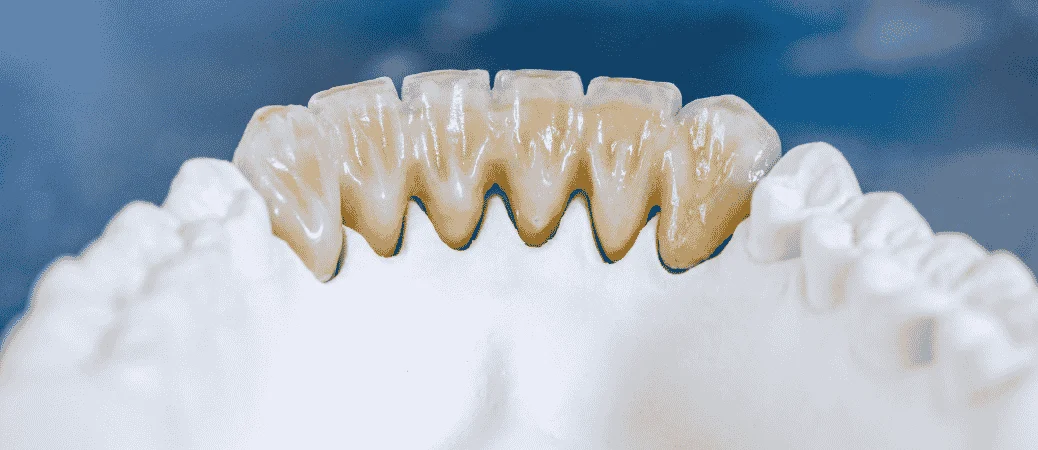
Zirconia is zirconium dioxide, a dense ceramic. Labs design the arch on a computer and mill it with CAD/CAM technology, which means a machine cuts it from a solid puck based on a digital plan.
There are two main styles:
- Monolithic zirconia: one solid piece, teeth and gums together, then stained and glazed. It’s the toughest version.
- Layered zirconia: a zirconia base with porcelain added on the front for extra lifelike shading. It looks beautiful, but the added porcelain layer can chip.
A zirconia arch feels solid and firm. Some patients notice a crisper “click” when their teeth meet, which usually fades from attention within a few weeks.
Does All-on-X Determine Which Teeth You Get?
Full-arch restorations are supported by dental implants placed in the jawbone. The final restoration material is a separate treatment decision based on factors such as your bite, available space, and restorative needs.
That’s why two quotes for “All-on-4” can be thousands of dollars apart. One may include an acrylic bridge, the other zirconia. When you compare implant-supported bridges, ask each office to name the final material in writing.
| Feature | Titanium-Acrylic Hybrid | Monolithic Zirconia |
| Wear of teeth | Wears over years | Minimal wear |
| Stain resistance | Stains over time | Resists stains |
| Repair after chip | Chairside, same day | Often needs remake |
| Bite feel | Softer, cushioned | Firm, solid |
| Space needed | More room for bar + acrylic | Works in tighter space |
| Upfront cost | Lower | Higher |
Which Holds Up Better, and What Happens If It Breaks?
Zirconia breaks less often, and acrylic is far easier to fix when it does. Those two facts pull in opposite directions, so the better choice comes down to how you feel about repair visits versus a rare but costly remake.
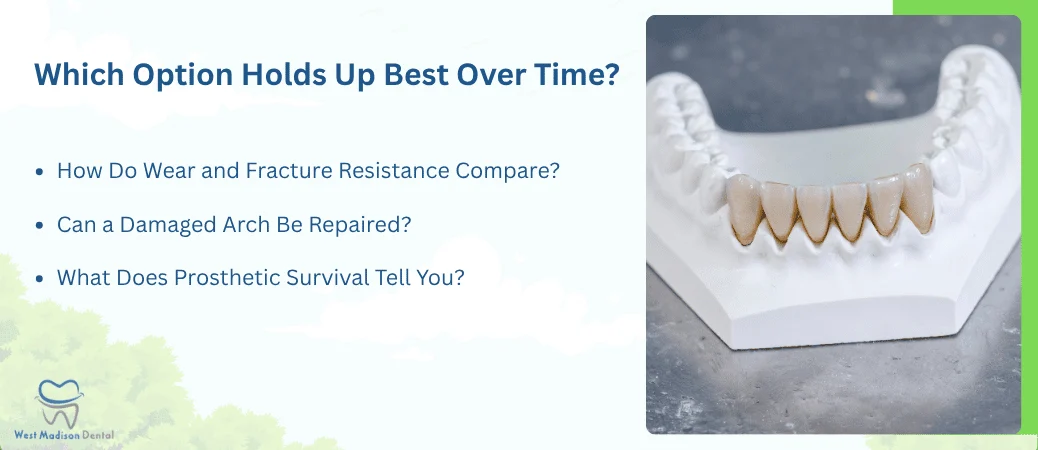
How Do Wear and Fracture Resistance Compare?
Zirconia has much higher fracture resistance than acrylic.
A 2026 systematic review on PubMed comparing metal-zirconia and metal-acrylic complete-arch bridges found the zirconia versions showed a more favorable clinical profile.
The authors noted most included studies were non-randomized, so the evidence isn’t perfect.
Acrylic teeth wear down with chewing. Over years, the biting surfaces flatten and small chips appear.
Can a Damaged Arch Be Repaired?
Acrylic hybrids are built to be serviced. A chipped tooth can be rebuilt chairside. When the teeth wear out, a lab can set new teeth on your original titanium bar, which costs a fraction of a brand-new bridge.
Zirconia is harder to patch. A small surface chip on a layered arch can sometimes be smoothed and polished. A true crack through a monolithic arch usually means the lab mills a new one.
Because labs keep your digital design file, a remake is faster than starting over, though still expensive.
A practical tip: ask your dentist whether they’ll keep your digital design on file and for how long.
What Does Prosthetic Survival Tell You?
Prosthetic survival means the bridge is still in use. Implant survival means the implants are still healthy in the bone. These are separate numbers, and patients mix them up all the time.
Your implants can be perfectly healthy while your bridge needs repairs, or the reverse.
How Do They Look, Feel, and Clean Up Day to Day?
Zirconia keeps its color and shape longer, while acrylic looks great at first and needs periodic refreshing. Both bridges need daily cleaning underneath, and both can look natural when a skilled lab designs them.
Which Looks More Natural Over Time?
On delivery day, a well-made hybrid and a well-made zirconia arch can look equally good. The difference shows up years later.
Acrylic is slightly porous. Coffee, tea, red wine, and tobacco leave stains, and the surface can dull. Professional polishing helps, and new teeth can refresh the smile when the bridge is serviced.
Zirconia teeth have strong stain resistance because the glazed surface is dense and smooth.
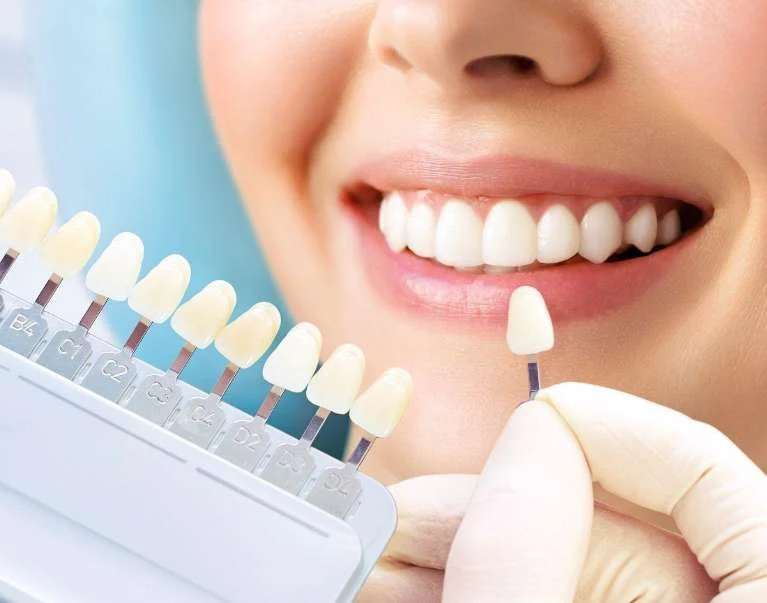
Layered zirconia gives the most lifelike front teeth. Monolithic zirconia is a touch more opaque but holds its look with little upkeep.
Will Either Material Affect Chewing or Opposing Teeth?
Both bridges let you chew most everyday foods with confidence. The bigger question is what they bite against.
Your opposing teeth (the arch they meet) matter in both directions:
- Acrylic arches against natural teeth or fixed bridges show significant posterior denture tooth wear over time.
- Hard zirconia biting on resin teeth also wears that softer surface, a pattern studied in work on wear of resin teeth opposing zirconia.
- Zirconia against zirconia or natural teeth needs a carefully adjusted bite so hard contacts don’t overload anything.
If you’re getting only one arch done, tell your dentist exactly what the other arch is: natural teeth, crowns, a denture, or another bridge.
Does Zirconia Make Gum Care Easier?
Zirconia often makes cleaning a bit easier. Because it’s so strong, a zirconia arch can be thinner, leaving more room to reach under it. The smooth glaze also collects less plaque and odor than acrylic.
That said, no full-arch bridge cleans itself. Food and bacteria can collect where the bridge meets your gums, making consistent oral hygiene important for protecting the tissues around your implants.
Maintaining healthy implant sites also matters because dental implants help prevent bone loss by providing stimulation to the jawbone.
Your daily routine with any of these full-arch prosthetics should include:
- Cleaning underneath the bridge as instructed by your dental team
- Cleaning carefully around each implant
- Brushing the restoration regularly
- Keeping up with professional maintenance based on your dentist’s recommendations
Consistent home care should be paired with regular dental checkups so your dentist can monitor the implants, surrounding gum tissue, bite, and condition of the restoration.
Which Clinical Factors Could Change the Choice?
Your mouth can make the decision for you. Grinding habits, the space between your jaws, and how precisely the bridge seats on the implants can outweigh material strength.

How Do Grinding and Bite Forces Affect the Decision?
Bruxism (clenching or grinding, often during sleep) is one form of parafunction, meaning teeth forces outside normal chewing. These forces punish acrylic teeth, which chip and flatten faster.
Zirconia handles heavy bites better, which is why many dentists lean toward it for strong biters. The trade-off is that when zirconia does fail under extreme force, the fix is bigger.
Either way, if you grind, plan on wearing a night guard every night.
Signs worth mentioning at your consult: sore jaw muscles in the morning, a partner hearing you grind, or worn-down natural teeth.
Why Do Available Space and Bridge Fit Matter?
Prosthetic space is the vertical room between your jawbone and the opposite arch. A hybrid needs generous space for the titanium bar plus enough acrylic to stay strong.
Squeezing one into tight space leads to thin, fragile spots. Zirconia can work in less room.
Passive fit means the bridge seats on all implants at once without strain. A bridge that’s forced into place stresses the screws and implants over time.
This depends on careful planning of your implant positions and lab verification, not the material.
In full-arch dental implants, these planning steps are where experienced implant dentistry shows. One note: zirconia dental implants (ceramic implant posts) are a separate topic from zirconia bridges.
Most full-mouth dental implants use titanium posts under either bridge type.
When Does an Acrylic Temporary Bridge Make Sense?
Some full-arch implant treatment plans use a temporary acrylic restoration while the implants and surrounding tissues heal.
If anxiety about the surgical stage is a concern, your dental team can also discuss whether sedation dentistry may be appropriate for your treatment. Your individual plan will determine when a temporary restoration is placed and how long the healing period lasts.
The temporary restoration can also help your dental team evaluate your bite, speech, and the appearance of your smile before the final restoration is made.
For patients considering broader changes to their smile, this planning can also be coordinated with the goals of a full smile makeover so tooth shape, proportions, and overall appearance are considered together.
What Will Each Option Cost Over Time?
Zirconia costs more upfront, while acrylic adds smaller costs over the years.
A study of long-term outcomes and cost-effectiveness compared both types of full-arch restorations for exactly this reason: the first bill only tells part of the story.
Why Is Zirconia Usually More Expensive Up Front?
Zirconia requires costly material, precise digital planning, and longer lab time. These factors put the price of acrylic hybrid between $25,000 – 38,000 per arch with zirconia.
Those figures include the implants and surgery, not only the bridge. Prices in your area will vary based on extractions, sedation, and bone grafting.
Acrylic may be appropriate for patients who prioritize repairability or a lower initial treatment cost.
Whether a restoration can be changed later depends on the condition and design of the implants and prosthetic components, so future options should be discussed during treatment planning.
Which Repairs, Replacements, and Checkups Should You Budget For?
Plan for upkeep with either bridge. Here’s what to expect:
- Both: cleanings every 3 to 6 months, an annual visit with the bridge removed, a night guard if you grind, and occasional screw tightening or replacement.
- Acrylic hybrid: periodic chip repairs, polishing to remove stains, and eventually a new set of teeth on your existing bar.
- Zirconia restorations: fewer routine repairs, but set money aside in case a remake is ever needed.
Ask each office for a written 10-year service plan. That makes two very different quotes easier to compare side by side.
Choosing the Bridge That Fits Your Bite and Budget

Pick the bridge that matches your mouth, your habits, and your finances. Zirconia suits you if you grind, want minimal staining, and can handle the higher first cost.
An acrylic hybrid suits you if you value easy repairs, a softer bite feel, or a lower starting price.
Before you sign, make sure you know the bridge material, how your opposing teeth will interact with it, whether you have enough space for it, and what upkeep will cost over 10 years.
Your temporary bridge period is the best time to test your preferences.
If you’re planning a full-arch restoration, bring your questions and any outside quotes to West Madison Dental so we can review your bite, your space, and the costs of each option with you.
Frequently Asked Questions
How long do zirconia full arches last?
Zirconia full arches commonly last many years, and researchers have followed full-arch bridges for a decade or more.
How long yours lasts depends on your bite forces, night guard use, and cleaning habits. Your implants and your bridge also have separate lifespans.
Are zirconia teeth better than acrylic teeth for All-on-4?
Zirconia is stronger and more stain-resistant, so it’s often the better fit for heavy biters and patients who want low upkeep.
Acrylic is better if you want easy, affordable repairs or need a lower upfront cost. Both attach to the same All-on-4 implants.
What are the disadvantages of zirconia full-arch teeth?
Zirconia costs more upfront and is hard to repair if it cracks, which usually means a full remake. Layered zirconia can chip at the porcelain layer. It also needs careful bite adjustment, especially against natural teeth.
Can you chew gum with a zirconia implant bridge?
Yes, most patients can chew sugar-free gum with a zirconia bridge. Gum doesn’t stick to the glazed surface easily. Check with your dentist first if you grind or have jaw soreness.
Can acrylic teeth be replaced without replacing the entire bridge?
Yes, worn or chipped acrylic teeth can be replaced while keeping your titanium bar. A lab removes the old acrylic and processes new teeth onto the same frame. This costs much less than a new bridge.