If you’ve worn dentures that shift when you laugh or chew, you already know how much that one worry can take over your day. Missing teeth change more than your smile.
They change how confidently you eat, talk, and show up in everyday moments.
Implant-supported dentures generally provide greater stability than traditional dentures because they attach to dental implants instead of relying only on the gums for support.
In this guide, “permanent dentures” refers primarily to fixed implant-supported dentures, while removable implant-supported dentures are discussed separately.
When comparing permanent dentures vs traditional dentures, stability is only one part of the decision. Traditional dentures can still work well for many patients, while implant-supported options may provide greater stability.
The right choice depends on your bone health, treatment needs, and how much stability you want day to day.
At West Madison Dental, patients often ask which option will actually stay put during a meal or a conversation.
The honest answer involves looking at how each type of denture is held in place, and what happens to your jawbone over the years you wear it.
Key Takeaways
- Implant-anchored dentures tend to feel steadier during eating and speaking than dentures that rest on the gums alone.
- Traditional dentures can still work well for many people, but fit often changes as the jawbone shifts over time.
- The better choice depends on your bone health, your budget, and how much daily stability matters to you.
Which Dentures Feel More Secure When You Eat or Speak?
Dentures anchored to dental implants generally feel more secure during chewing and talking than dentures that rest on the gums alone. That difference shows up most during the activities you do every single day.
The Short Answer for Everyday Stability
Implant-supported dentures attach to implants placed in the jawbone, which can provide greater stability and reduce movement during biting and chewing compared with traditional dentures.
Traditional dentures rely on suction and the shape of your gums, which can loosen the longer you wear them.
Denture fit and chewing efficiency both tend to hold up better with an implant-based approach, though a well-made traditional denture can still serve many patients comfortably for years.
How Chewing and Speaking Reveal a Loose Fit
Biting into something firm, like an apple or a piece of steak, puts real pressure on a denture. If a traditional denture rocks or tips during that pressure, you’ll feel it right away.
Speaking tells a similar story. Words with a lot of tongue movement, like “sixty” or “specific,” can make a loose lower denture lift off the gums.
Patients who switch to implant-supported dentures often describe a noticeable drop in that shifting feeling, since the prosthetic stays locked onto the implants no matter how much they talk or chew.
How Does Each Type of Denture Stay in Place?
Every denture needs some kind of anchor, and the type of anchor is what separates these options.
Removable dentures, whether full or partial, typically rely on your gums and natural suction, while fixed dentures depend on dental implants placed directly into the bone.
Traditional Dentures: Support from the Gums
Full dentures and partial dentures sit directly on the gum tissue. A full denture replaces an entire arch, while a partial denture fills in gaps and uses your remaining natural teeth for extra support.
Suction, saliva, and the shape of your mouth hold these prosthetic teeth in place. Many wearers add a denture adhesive for extra grip, especially later in the day when saliva production changes.
Fixed Dentures: Support from Dental Implants
Fixed dentures attach permanently to dental implants and don’t come out for daily cleaning. The implants themselves are titanium posts placed in the jawbone.
A fixed restoration is secured to these implants and remains in place during everyday activities, including eating and speaking.
This setup is often what people mean when they say “permanent dentures.” It’s worth knowing that not every implant-supported option is meant to stay in all the time, which brings us to a middle-ground choice.
Where Do Removable Snap-in Dentures Fit?
Snap-in, or removable, implant dentures use the same implant posts as fixed dentures, but the denture itself clips on and off for cleaning.
This gives you implant-level stability for eating and speaking, with the option to remove the appliance at night.
Patients felt more secure chewing and talking once their denture attached to implants rather than resting on the gums alone.
Can Jawbone Changes Make Dentures Feel Less Secure?
Jawbone changes are often the real reason a denture that once fit well starts to feel loose. Tooth loss sets off a chain reaction in the bone that affects denture stability for years after the teeth are gone.
Why Tooth Loss Can Loosen Traditional Dentures
When you lose a tooth, the jawbone beneath it no longer gets the stimulation it needs from chewing, and it starts to shrink. This process, called bone loss, continues as long as the area stays without a tooth root.
As the bone changes shape, your gums change shape too, and a denture built for your mouth at one point in time stops matching your mouth a few years later.
That’s part of why many traditional denture wearers need relines or adjustments over time to keep a comfortable fit.
How Implants Help Maintain Jawbone Support
Dental implants provide stimulation to the jawbone in a way that traditional dentures cannot. Learn more about how dental implants help prevent bone loss and why maintaining bone can matter after tooth loss.
Implants don’t stop every bit of bone change in the jaw, and results vary based on your overall bone density and health before treatment.
What Do Treatment, Cost, and Upkeep Involve?
Getting implant-supported dentures involves surgery and healing time, while traditional dentures involve a simpler, non-surgical process. Both options come with ongoing costs, just at different points in the timeline.
Implant Surgery, Healing, and Bone Grafting
Placing dental implants requires oral surgery, where titanium posts are set into the jawbone.
Over the following months, the bone fuses to the implant through a process called osseointegration, which is what gives the final denture its sturdy hold.
If you’ve lost significant bone, your dentist may recommend bone grafting first to build up enough structure to support an implant.
This adds time to the process but can make tooth replacement more predictable for patients with thinner jawbones.
Upfront Costs and Long-Term Maintenance
Traditional dentures generally have a lower initial cost than implant-supported options. Implant-supported treatment involves additional procedures and components, so the initial investment is typically higher.
Your dental team can review your treatment needs, estimated costs, insurance benefits, and available payment options before you decide.
Cleaning and Professional Follow-Up
Both options require ongoing care and regular dental checkups. Removable dentures need routine cleaning, while implant-supported restorations also require careful cleaning around the implants and surrounding gum tissue.
Which Option Makes Sense for Your Needs?
The right denture comes down to your bone health, your comfort with surgery, and how much daily stability feels necessary for your life.
Traditional dentures, implant-supported dentures, and removable snap-in options all have a reasonable place depending on your situation.
| Factor | Traditional Dentures | Implant-Supported Dentures |
| Stability while chewing | Can shift with pressure | Stays locked in place |
| Removable for cleaning | Yes, daily | Depends on type (fixed vs. snap-in) |
| Surgery required | No | Yes |
| Upfront cost | Lower | Higher |
| Jawbone support | None | Helps maintain bone at implant sites |
When a Non-Surgical Denture May Be the Better Fit
Traditional dentures may make sense if you want to avoid surgery or if your health, oral condition, or treatment preferences make a non-surgical approach more appropriate.
Your dentist can help you compare this option with implant-supported treatment based on your individual needs.
When Added Stability May Be Worth the Investment
Implant-supported dentures are worth considering if you’ve struggled with slipping, sore spots, or diet limits from a removable denture.
Patients who eat a wide variety of foods or speak frequently for work often notice the biggest difference in daily comfort.
Choosing the Security That Fits Your Life
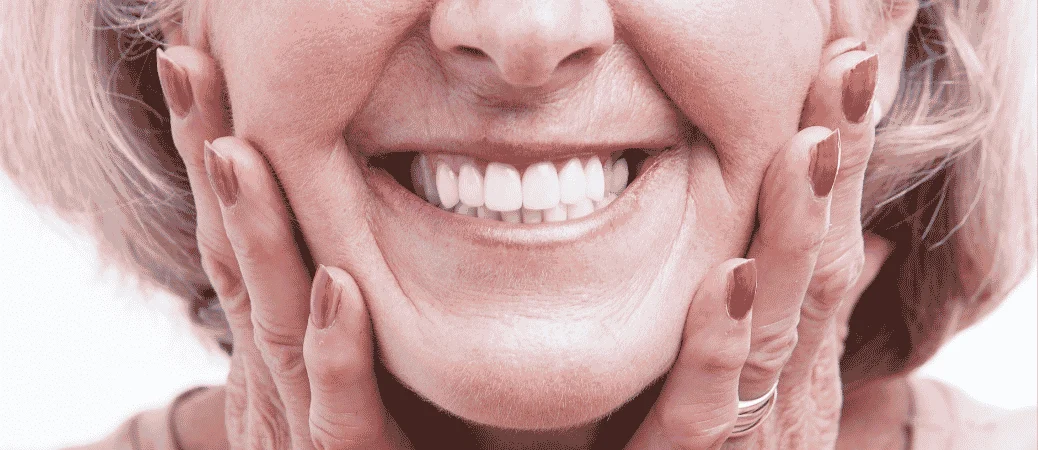
Permanent dentures and traditional dentures both have a legitimate role in restoring your smile, and neither one is the automatic right answer for every patient.
Permanent dentures tend to feel steadier for chewing and speaking because they anchor to the jawbone, while traditional dentures remain a dependable, lower-cost option for many people.
Your bone health, oral health, and daily needs all help determine which tooth replacement option may work best.
At West Madison Dental, Dr. Andrew Henninger can evaluate your jawbone and discuss whether implant-supported treatment is appropriate for you.
Frequently Asked Questions
Which type of denture is the most secure?
Fixed, implant-supported dentures tend to feel the most secure because they attach directly to posts placed in the jawbone.
Removable snap-in dentures come close, since they use the same implants but can be taken out for cleaning. Traditional dentures that rest on the gums are generally the least stable of the three.
Are permanent dentures removable?
It depends on the design. Fixed permanent dentures stay in place and are only removed by a dentist, while snap-in implant dentures use the same implant foundation but are designed for you to remove at home for cleaning.
Do snap-in dentures feel as secure as fixed dentures?
Snap-in dentures feel significantly more secure than traditional dentures because they attach to implants rather than resting on the gums.
They can still have a small amount of movement compared to a fixed denture, since they’re designed to click in and out.
What is the downside to permanent dentures?
Permanent dentures require oral surgery, a healing period, and a higher upfront cost than traditional dentures.
Not every patient has enough jawbone density for implants right away, though bone grafting can sometimes make it possible.
Can traditional dentures feel secure without implants?
Yes, a well-fitted traditional denture can feel comfortable and stable for many patients, especially soon after it’s made.
Fit tends to change over time as the jawbone shifts, so relines and adjustments help maintain that stability as your mouth changes.